How Independent Artists Can Build a Real Audience on Spotify
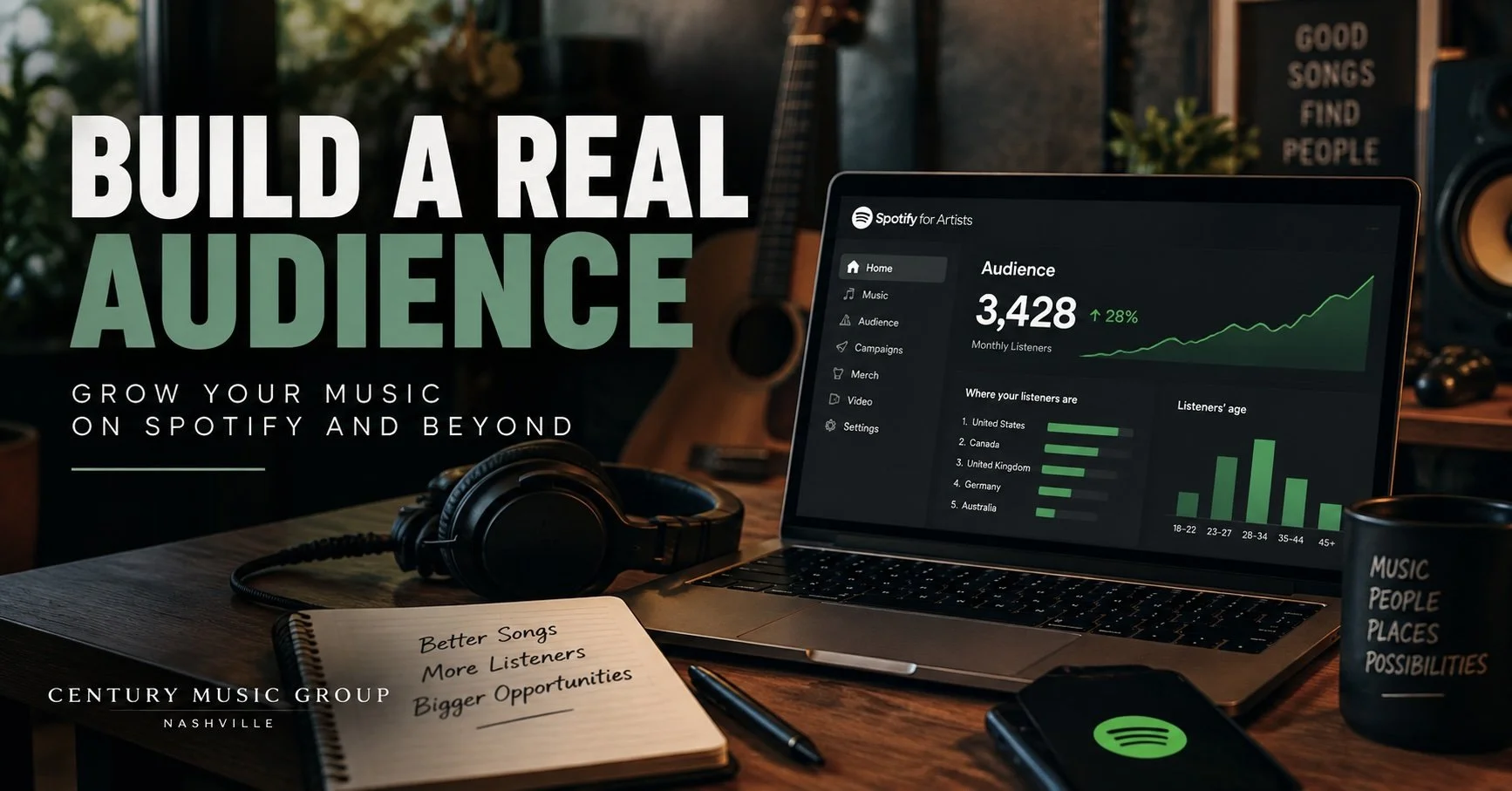
Getting more Spotify streams is one thing. Building an audience is another.
For independent artists, it’s easy to focus on the numbers everyone can see: total streams, monthly listeners, playlist placements and follower counts. Those numbers can be useful, but they don’t necessarily tell you whether people are actually connecting with your music.
A listener who hears your song once because it appeared on a playlist is very different from someone who seeks out your music, visits your artist profile, listens to several songs, follows you and comes back when you release something new.
That second listener is the one you want to build around.
For independent recording artists, the goal shouldn’t simply be generating streams. It should be creating music and releasing it in a way that gives listeners a reason to become part of your audience.
Monthly Listeners Aren’t the Whole Story
Spotify’s monthly listener number is probably one of the first statistics artists look at.
But it can be misleading when viewed by itself.
An artist can experience a significant increase in monthly listeners because a song lands on a large playlist, gets picked up by an algorithm or receives a temporary promotional push. When that exposure disappears, many of those listeners may disappear with it.
That doesn’t mean playlists or promotion aren’t valuable. They absolutely can be.
It simply means reach and audience development are not the same thing.
Instead of asking only:
“How many people streamed my music?”
Independent artists should also be asking:
“How many of those people wanted to hear more?”
That changes how you think about Spotify.
Start With Music Worth Coming Back To
No release strategy can compensate indefinitely for music that doesn’t connect with listeners.
Before worrying about Spotify algorithms, playlists or advertising, the record itself has to do its job.
That means paying attention to the fundamentals:
Is the song strong enough to represent you?
Does the arrangement support the song?
Does the performance feel convincing?
Does the production fit the artist you’re trying to become?
Does the recording hold up next to other professionally released music your audience already listens to?
This is one reason we believe production and artist development are closely connected.
Making a record isn’t simply capturing a performance. The choices made during pre-production, arrangement, tracking, overdubs, vocals and mixing all contribute to how a listener experiences the artist.
The better the record communicates who you are, the better chance you have of turning discovery into genuine interest.
Treat Every Release as an Opportunity to Grow Your Audience
Independent artists sometimes approach releases as isolated events.
Record a song. Upload it. Promote it for a few days. Move on.
A stronger approach is to think of each release as another entry point into your catalog.
Someone discovering your newest single today may become a listener of the music you released two years ago. Likewise, someone who discovered an earlier song may be waiting for your next release.
That means your releases should begin working together.
Before releasing your next single, think about where it fits within the larger picture of your music.
Does it naturally lead listeners toward another song?
Does your Spotify profile accurately represent you?
Is your artist image current?
Does your bio tell listeners enough about you to encourage further exploration?
Are your strongest songs easy to find?
When someone discovers you for the first time, make it easy for them to understand who you are and where to go next.
Give People a Reason to Follow You
Streams happen one song at a time. Artist relationships develop over time.
A Spotify follow may seem like a small action, but it represents something important: the listener has decided they want the possibility of hearing from you again.
So don’t be afraid to ask.
When promoting a new release, you don’t always have to tell people simply to “stream my new single.”
Sometimes a more valuable call to action is:
“Listen on Spotify and follow the artist page if you want to hear what’s coming next.”
That begins shifting the emphasis from a single transaction—getting one stream—to developing an ongoing audience.
Promotion Should Introduce the Artist, Not Just the Song
One of the biggest mistakes independent artists can make is promoting a song without promoting themselves.
A short video clip, performance, social post or advertisement may introduce someone to the music, but what happens afterward?
Give listeners opportunities to understand the person behind the record.
That might include studio footage, acoustic performances, songwriting stories, live clips, behind-the-scenes material or simply talking about why you wrote the song.
Not every piece of content needs to scream “STREAM NOW.”
In fact, constantly asking people to consume something without giving them a reason to care can have the opposite effect.
Good artist promotion creates familiarity.
The song gets someone’s attention. The artist gives them a reason to stay.
Don’t Build Your Strategy Around One Playlist
Playlist placements can expose your music to people who otherwise might never discover it.
They can be valuable.
But they shouldn’t become your entire release strategy.
A playlist ultimately belongs to someone else. Its audience belongs to someone else. Your song can be added, moved or removed.
Your long-term objective should be converting whatever exposure you receive into listeners who recognize your name.
If a playlist sends 10,000 people to a song but almost nobody explores the rest of your catalog or returns later, you’ve received exposure—but you haven’t necessarily built an audience of 10,000 people.
That’s an important distinction.
Watch What Your Listeners Actually Do
Spotify for Artists gives independent artists useful information about how people are discovering and interacting with their music.
Don’t just look at the biggest number on the screen.
Look for patterns.
Which songs consistently attract listeners?
Which songs lead people deeper into your catalog?
Where are listeners discovering you?
Which releases appear to generate more saves, follows or repeat listening?
Where geographically is your audience developing?
You don’t need to become a data analyst. You simply want enough information to recognize what’s working.
Then use that information when planning future recordings, releases and promotion.
Consistency Matters More Than Constant Releases
Independent artists are frequently told they need to release music constantly to stay relevant.
That can lead to another problem: releasing music simply because the calendar says it’s time.
Consistency is useful. Rushing isn’t.
If releasing every few weeks means compromising the songs, production, artwork or promotion, slowing down may produce a better result.
A strong release with a thoughtful plan behind it can continue introducing people to an artist long after release day.
Your release schedule should support the music—not dictate its quality.
Think Beyond Spotify
Spotify can be an important part of an independent artist’s career, but Spotify itself shouldn’t be the career.
The strongest audience relationships often extend across several places.
Someone might discover your song on Spotify, follow you on Instagram, watch a live performance on YouTube, join your email list and eventually buy a ticket to see you perform.
Those connections reinforce one another.
The goal is to gradually move from:
someone heard my song
to:
someone knows who I am.
That’s a much more valuable relationship.
Build an Audience, Not Just a Stream Count
There isn’t a magic monthly-listener number that suddenly turns an independent artist into a successful one.
Five thousand listeners who barely remember hearing your song aren’t necessarily more valuable than 1,000 listeners who repeatedly play your music, follow your releases, share your songs and come to your shows.
So instead of chasing a number, concentrate on building momentum that can survive from one release to the next.
Make stronger records.
Release them intentionally.
Give new listeners somewhere to go.
Pay attention to what connects.
Stay in front of the people who respond.
And give them another reason to come back.
That’s how individual streams can gradually become something much more important: an audience.
About Century Music Group
Century Music Group is a Nashville-based music company working with independent recording artists through professional record production, music promotion and ongoing artist relationships. Founded in 1999, Century Music Group works with artists to create, release and promote their music, with selective artist development and publishing opportunities available when appropriate.
Ready to reach more listeners? Learn more about Music Promotion from Century Music Group.