Why Serious Artists Don’t Work Alone (And What the Right Team Actually Does)
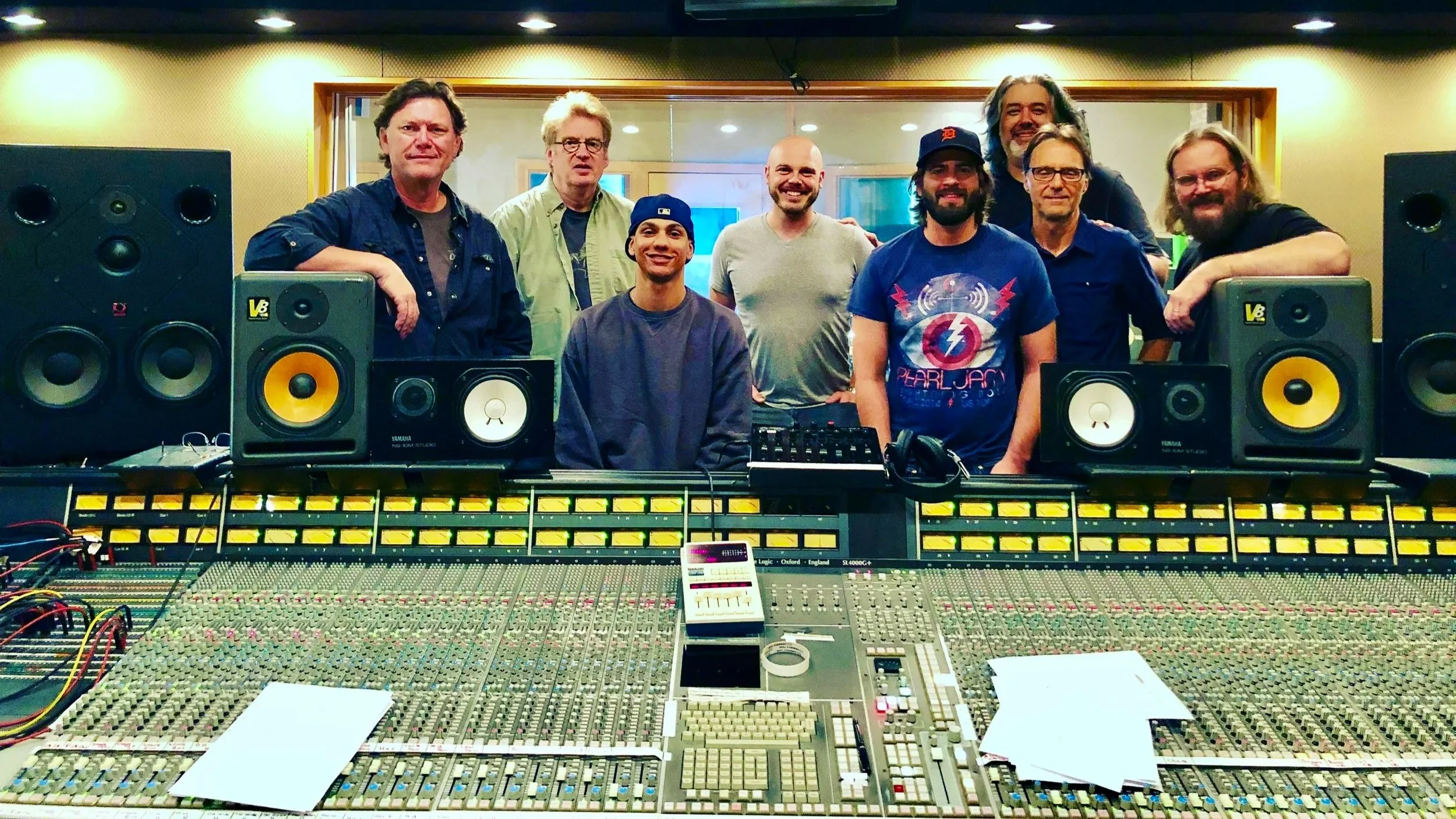
One of the biggest differences between artists who move forward and artists who stay stuck isn’t talent.
It’s how they work.
Most independent artists try to handle everything themselves — writing, producing, recording, mixing, releasing.
On the surface, that feels productive.
In reality, it’s one of the fastest ways to limit your growth.
At the highest levels of the industry, that’s not how music gets made.
⸻
The Myth of Doing It All Yourself
There’s a common belief that being independent means doing everything on your own.
But independence doesn’t mean isolation.
Even the most “independent” artists at a professional level are working with a team.
Not because they can’t do it themselves —
but because they understand what it takes to compete.
Trying to wear every hat usually leads to:
Lower production quality
Lack of creative objectivity
Inconsistent direction
Slower progress
And over time, that compounds.
⸻
What a Professional Team Actually Does
A real team isn’t just a group of people — it’s a structured process.
At a high level, each role exists for a reason:
Producer
The producer is responsible for the overall vision of the song.
That includes:
Shaping the arrangement
Guiding performances
Making creative decisions that serve the song
Ensuring everything fits within a cohesive direction
Without that oversight, songs often feel scattered or unfinished.
⸻
Musicians
Experienced session players don’t just “play parts.”
They:
Elevate the feel of a song
Bring stylistic authenticity
Add nuance that’s hard to replicate on your own
That’s part of what separates a demo from a professional recording.
⸻
Engineers
Recording and mixing engineers handle the technical side — but it’s more than that.
They ensure:
Clarity
Balance
Depth
Translation across platforms
This is what allows a song to stand up next to commercial releases.
⸻
Development / Direction
This is the piece most independent artists are missing.
It’s not just about one song — it’s about:
Which songs to develop
How they fit together
What direction the artist is moving in
How the catalog supports long-term growth
Without this, even well-produced songs can feel disconnected.
⸻
Why This Matters More Than Ever
Today’s music landscape is more competitive than ever.
Listeners don’t separate independent releases from major label releases — they compare them directly.
That means:
Your production has to hold up
Your songs have to feel intentional
Your releases need to build momentum over time
Trying to do everything yourself often results in music that falls just short — not because of talent, but because of process.
⸻
The Difference Between Recording and Development
A lot of artists think they need “studio time.”
What they actually need is development.
Recording alone doesn’t solve:
Weak song selection
Lack of direction
Inconsistent quality across releases
Development addresses the bigger picture.
It turns individual songs into a catalog with purpose.
⸻
How Serious Artists Approach Their Work
Artists who make real progress tend to approach things differently.
They:
Work within a structured process
Surround themselves with the right people
Focus on developing multiple songs, not just one
Think beyond a single release
They understand that building a career requires more than just output — it requires alignment.
⸻
How We Approach This at Century Music Group
At Century Music Group, our work is built around this idea.
We don’t just record songs.
We work with recording singer-songwriters to:
Develop original material from the ground up
Build a cohesive catalog of songs with direction
Create recordings at a professional Nashville standard
Support artist releases and represent songs for publishing opportunities
At a professional level, development, releases, and publishing work together — not as separate steps, but as one connected process.
This is a collaborative approach designed to create music that holds up, connects with an audience, and opens the right opportunities.
⸻
The Bottom Line
If you’re trying to compete at a higher level, your process has to reflect that.
Doing everything yourself might feel efficient,
but it often leads to results that don’t match your goals.
Serious artists don’t work alone —
not because they have to, but because they choose to operate at a higher standard.
⸻
Ready to Take the Next Step?
If you’re a recording singer-songwriter and you’re ready to approach your music with more structure and direction, you can submit your material for consideration.
We review a limited number of artists and follow up when there’s a strong fit.
Submit your music at centurymusicgroup.net.