There’s a Difference Between Being an Artist, Performer, and Entertainer
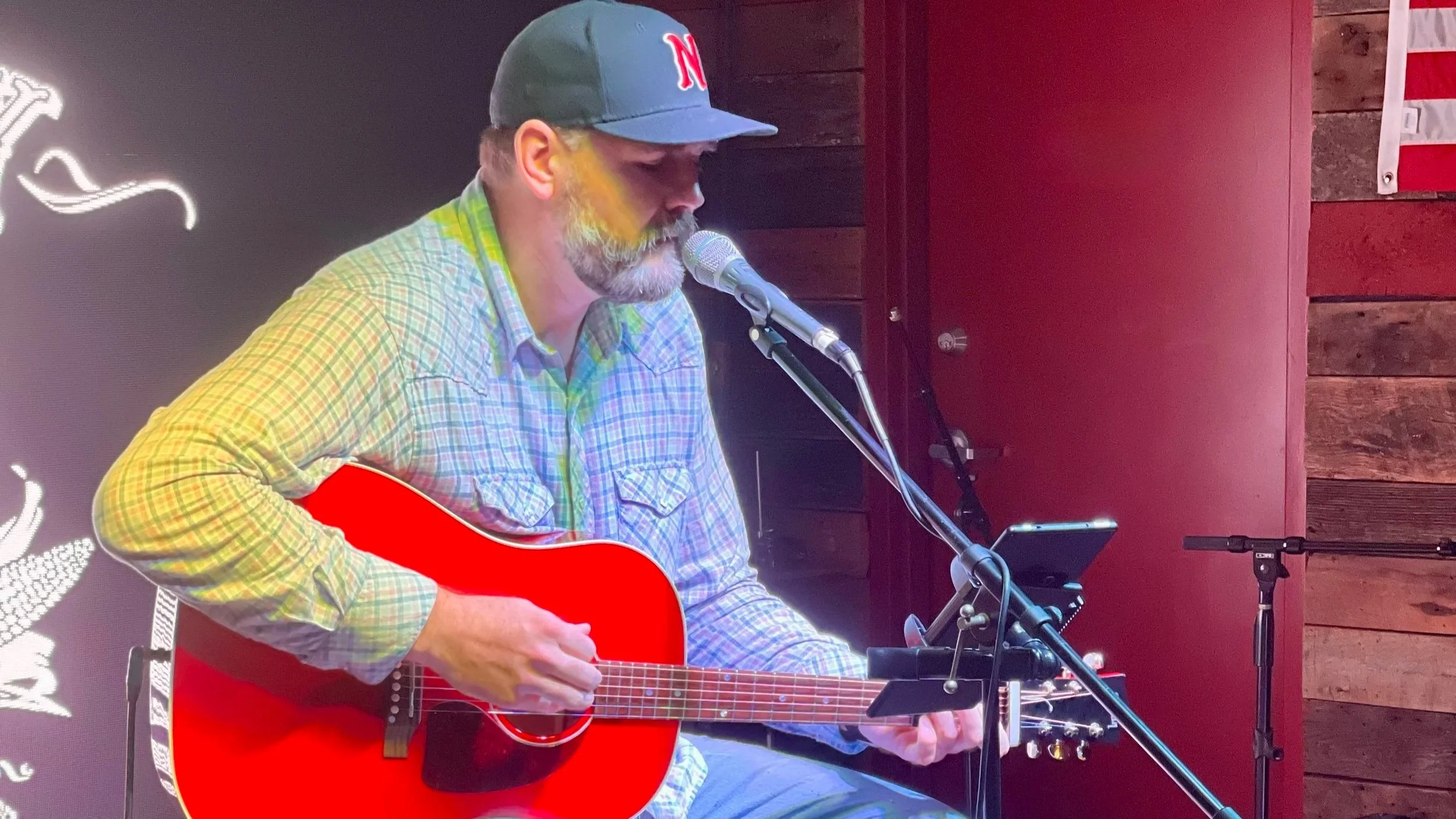
Not every successful music career looks the same.
Recently, I was scrolling through Facebook and came across a country trio performing live on a local radio station. The performance felt very traditional — old-school harmony country music that probably wouldn’t fit today’s mainstream commercial playlists.
But they were still performing. Still connecting with listeners. Still building an audience.
And most importantly, they may very well still be making a living doing it.
That’s what sparked this thought:
A lot of musicians talk about “making it” in music as if there’s only one version of success, when in reality there are several different paths.
Artist, Performer, and Entertainer Aren’t Always the Same Thing
These roles often overlap, but they’re not always identical.
An artist is usually centered around creating original music, developing an identity, and building a body of work around personal expression and audience connection.
A performer is focused more on delivering music live — through vocals, musicianship, stage presence, and live interpretation of songs.
An entertainer focuses on creating an experience for the audience. Energy, personality, crowd interaction, humor, engagement, and showmanship often become just as important as the music itself.
Some musicians are all three.
Others naturally lean more toward one than the others.
And there’s nothing wrong with that.
The “Music Artist” Path
When most people talk about becoming an artist, they usually picture:
Major streaming numbers
Large social media audiences
National tours
Record deals
Viral growth
Mainstream relevance
There’s nothing wrong with those goals.
But modern commercial music is highly competitive and heavily driven by branding, marketing, consistency, audience growth, and consumer demand. Talent matters, but it’s rarely the only factor.
Because of that, many musicians become discouraged when they don’t see fast online growth.
What they often overlook is that there are countless people building meaningful careers in music outside of the mainstream artist model.
Performers and Entertainers Build Careers Differently
Some musicians build careers not through streaming dominance, but through live audience connection.
That can include:
Regional touring
Festivals
Dance halls
Casinos
Private events
Theaters
Corporate shows
Tribute acts
Loyal local followings
These artists may never become major commercial recording artists, but many still create stable and rewarding careers.
Why?
Because they understand their audience and create experiences people genuinely enjoy in real life — not just online.
Not Every Artist Needs to Sound “Current”
One of the biggest misconceptions in music is that every artist has to sound contemporary to matter.
But audiences still exist for:
Traditional country
Bluegrass
Americana
Folk
Classic rock
Gospel
Acoustic singer-songwriter music
Those audiences may be smaller than mainstream pop audiences, but they’re often deeply loyal.
And loyal audiences are what sustain long-term careers.
The internet sometimes creates the illusion that if you aren’t viral, you’re failing.
That simply isn’t true.
Define Success for Yourself
Some musicians genuinely want the commercial artist path.
Others mainly love:
Playing live
Writing songs
Entertaining crowds
Traveling
Building a community around their music
Those paths are just as valid.
In many cases, artists become happier once they stop measuring success only through streaming numbers or industry attention.
There’s nothing wrong with building a respected regional career, owning your audience, and making music on your own terms.
There’s More Than One Way to Build a Music Career
At Century Music Group, we believe successful careers can take different forms.
Some artists focus on releases and audience growth. Others are performers first. Others build around songwriting, live entertainment, or niche audiences that connect deeply with their music.
The important part is understanding the kind of career that actually fits you.
Because not every meaningful music career has to look like mainstream success.